


-

Add: HeBei ShengShi HongBang Cellulose Technology CO.,LTD.
-

Email
13180486930@163.com -

CONTACT US
+86 13180486930

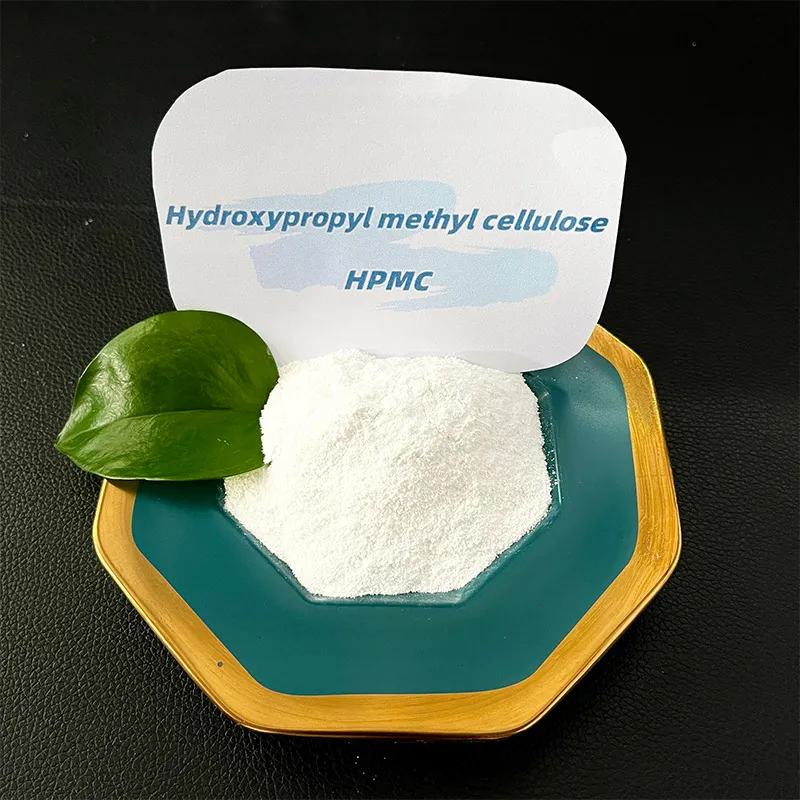


Acid-modified starch, an innovative alteration of native starch, has garnered attention for its unique properties and versatile applications in various industries. Derived from botanical sources such as corn, potato, or tapioca, the product undergoes controlled acidic treatment to modify the starch granules, enhancing its characteristics to meet specific industrial needs. This process involves reducing the molecular weight of the starch, thereby increasing solubility and altering its gelatinization and viscosity properties. One of the prime benefits of acid-modified starch is its role in the food industry, particularly in the manufacturing of confectionery products. Its ability to form clear, firm gels and to stabilize emulsions makes it indispensable in creating the perfect texture for gummy candies, jellies, and other gelatinous sweets. Unlike native starch, acid-modified starch doesn't break down under high temperatures, making it ideal for processes that require cooking or heating, without compromising the quality or appearance of the final product. Beyond confectionery, acid-modified starch plays a critical role in the paper industry . It acts as a surface sizing agent, enhancing the strength and printability of paper. This application not only improves the efficiency of ink usage but also contributes to the smoothness and gloss of the paper, which is essential for high-quality print jobs. Additionally, in the textile industry, its film-forming ability helps in improving the fabric's hand feel, adding weight and stiffening materials, which is crucial in specific apparel manufacturing processes. From an environmental perspective, the use of acid-modified starch as a biodegradable and renewable resource stands out, aligning with the global thrust towards sustainability. This positions the starch as a preferable alternative to petroleum-based products, particularly in packaging applications where reduction of environmental impact is highly prioritized. acid modified starch Experts within the chemical modification sector emphasize the significance of precision in the acid modification process. Achieving consistent product quality demands expertise in adjusting treatment parameters such as pH level, reaction time, and temperature. Leading manufacturers who specialize in starch modification employ rigorous quality control measures and leverage advanced technology to ensure the end product meets stringent industry standards, thereby establishing their authority and trustworthiness in the market. The science behind acid-modified starch also extends to its application in pharmaceuticals, where its improved solubility and disintegration properties enhance the bioavailability of active ingredients. This makes it an essential component in the formulation of tablets and capsules, contributing to more efficient drug delivery systems. Industry leaders and researchers continue to explore new frontiers for acid-modified starch, investigating its potential as a carrier for bioactive compounds or as an ingredient in 3D printing edible objects. These innovations underscore the evolving applications and growing importance of this functional ingredient in aligning industry trends with consumer demands. For companies considering the incorporation of acid-modified starch into their product lines, it's vital to collaborate with experienced suppliers who can provide not just high-quality starch but also insights and technical support tailored to specific applications. As the uses of acid-modified starch extend across industries, staying informed and engaging with knowledgeable experts will ensure businesses can harness its full potential effectively and sustainably.
- 40000tons

Production
- 20+years

Experience
- 5000+㎡

Acreage

-
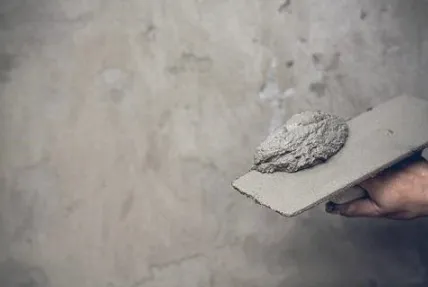
Materials derived from natural sources, like wood cellulose , are redefining industries with their versatility and sustainability. Products such as xylem fiber , fibre made from wood pulp , and bleached wood pulp offer an eco-friendly alternative to synthetic materials while maintaining exceptional functionality. Their adaptability makes them ideal for use in construction, textiles, packaging, and beyond. Wood Cellulose: Nature’s Engineering Marvel Wood cellulose is a fundamental component of plant cell walls, known for its strength, flexibility, and lightweight properties. Derived from sustainably harvested timber, it is processed into versatile forms that cater to various industrial needs. Whether used as a construction additive, a textile fiber, or a packaging material, wood cellulose offers unmatched durability and eco-friendliness. This material is integral to modern manufacturing, especially as industries shift toward renewable resources. With its availability in forms like fibre made from wood pulp , wood cellulose is at the forefront of sustainable innovation, providing both functionality and environmental benefits. Xylem Fiber: Strength and Adaptability A specialized form of wood cellulose , xylem fiber is celebrated for its structural strength and water transport capabilities. This fiber, which mimics the natural function of xylem in trees, is ideal for applications requiring moisture resistance and durability. Industries such as paper manufacturing, filtration, and packaging rely heavily on xylem fiber for its reliability and adaptability. The increasing demand for eco-conscious materials has made xylem fiber a popular choice in product innovation. Its natural composition ensures it is biodegradable and renewable, making it a superior alternative to non-biodegradable synthetic fibers. By incorporating xylem fiber into production processes, companies can reduce their environmental impact without compromising on quality. Fibre Made from Wood Pulp: Sustainability Meets Functionality Fibre made from wood pulp is revolutionizing industries like fashion, hygiene, and construction. This material offers the strength of synthetic fibers while being more sustainable and environmentally friendly. Its softness, durability, and breathability make it a preferred choice for textiles, such as clothing and home furnishings. Beyond textiles, fibre made from wood pulp is widely used in absorbent products, including diapers and medical pads, due to its excellent moisture retention properties. Additionally, it plays a vital role in creating lightweight composites and durable building materials. The versatility of this wood cellulose derivative continues to drive innovation across sectors. Bleached Wood Pulp: A Staple in Quality Manufacturing Bleached wood pulp is a refined version of wood cellulose , processed to achieve a bright, pure-white appearance. This material is crucial in producing high-quality paper, hygiene products, and specialty applications like medical-grade textiles. Its smooth texture, uniformity, and strength make it an essential component in industries that demand precision and reliability. The bleaching process enhances the purity of bleached wood pulp , ensuring it meets strict industry standards. Moreover, modern advancements have made bleaching more sustainable, minimizing environmental impact. Whether used in premium packaging, tissue paper, or industrial filters, bleached wood pulp exemplifies how wood cellulose can deliver excellence and sustainability. Why Choose Wood Cellulose for Your Needs? Materials like wood cellulose , xylem fiber , fibre made from wood pulp , and bleached wood pulp offer a harmonious blend of sustainability, performance, and versatility. As industries pivot toward greener solutions, these natural fibers provide a reliable and eco-conscious alternative to synthetic materials. By integrating wood cellulose into products and processes, businesses can achieve superior quality while reducing their environmental footprint. From construction to textiles and packaging, the applications of these fibers are vast and impactful. Harness the power of wood cellulose and its derivatives to create innovative, sustainable, and high-performance solutions for today’s world.
-
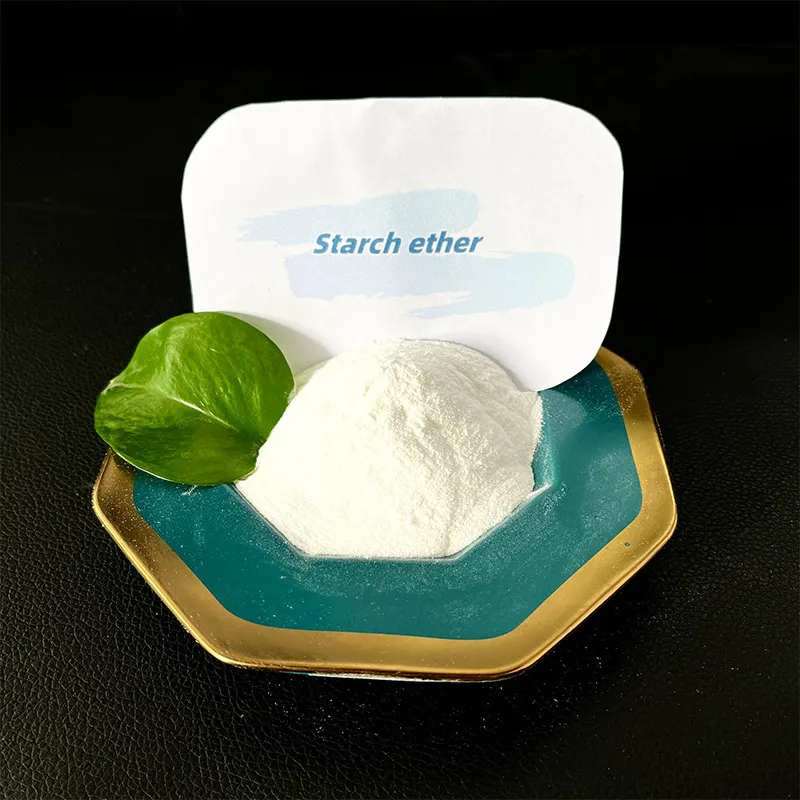
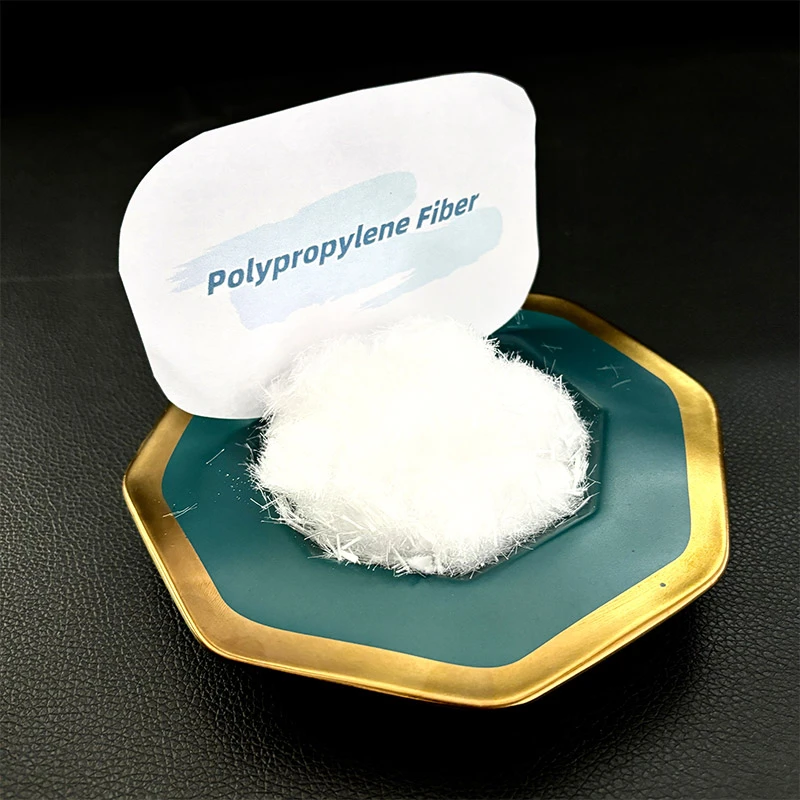
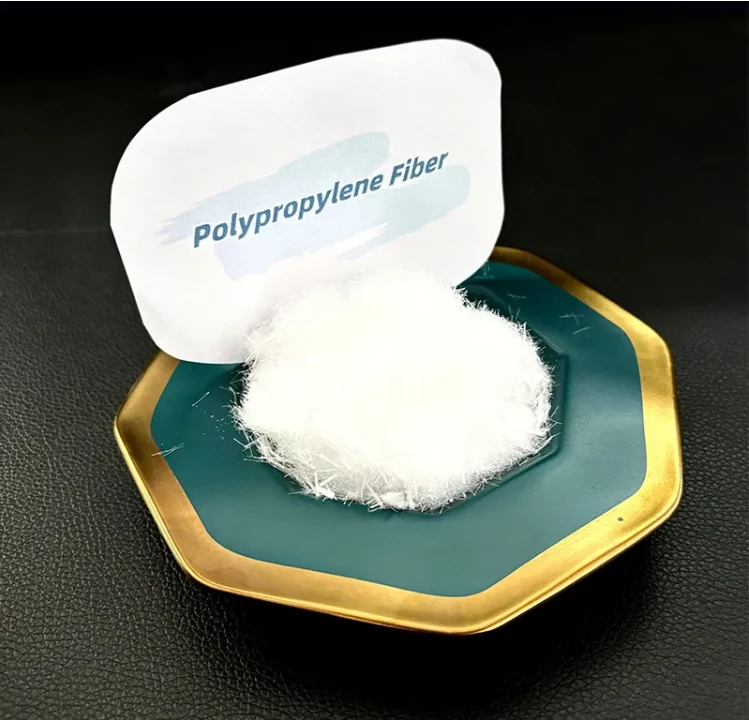
Understanding Confix PP Fiber A Breakthrough in Material Science In the quest for advanced materials that can cater to a myriad of applications, Confix PP fiber has emerged as a significant player in the industry. This innovative product is synonymous with strength, versatility, and sustainability, making it an appealing choice for manufacturers and consumers alike. In this article, we will explore what Confix PP fiber is, its properties, applications, and advantages, shedding light on why it stands out in the competitive landscape of synthetic fibers. What is Confix PP Fiber? Confix PP fiber is a specialized polypropylene fiber that has been engineered for enhanced performance in various applications. Polypropylene, a thermoplastic polymer, is known for its lightweight, chemical resistance, and thermal stability. The Confix designation typically signifies that this particular fiber has been treated or designed to provide additional benefits, such as improved tensile strength, durability, and resistance to moisture, making it suitable for a broader range of uses. One of the main advantages of polypropylene as a base material is its high resistance to wear and tear, along with its non-toxic and recyclable nature. Confix PP fibers capitalize on these inherent qualities while also introducing innovations that optimize functionality and adaptability across industries. Key Properties of Confix PP Fiber The qualities that define Confix PP fibers are pivotal to their widespread adoption. Here are some key properties 1. Durability Confix PP fibers are designed to withstand harsh conditions. This durability reduces the frequency of replacements, a crucial factor for industries seeking long-term solutions. 2. Water Resistance Unlike many natural fibers, polypropylene does not absorb water, making Confix PP fibers ideal for applications in humid conditions or areas prone to moisture. 3. Lightweight The low density of polypropylene makes Confix fibers exceptionally light, which benefits transport and handling, particularly in industries such as textiles, automotive, and construction. 4. Chemical Resistance Confix PP fibers exhibit excellent resistance to a wide range of chemicals, including acids and alkalis, making them suitable for diverse applications, including those in chemical processing. 5. Versatility These fibers can be manufactured in various forms, including filaments and non-woven fabrics, allowing for extensive applicability in different sectors such as apparel, home textiles, and industrial applications. Applications of Confix PP Fiber confix pp fiber The versatility of Confix PP fibers allows them to be utilized in numerous applications. Some notable uses include - Textiles Confix PP fibers are used in the production of clothing, carpets, and upholstery fabrics. Their durability and stain resistance make them ideal for both casual wear and high-performance environments. - Automotive Industry These fibers are increasingly used in the automotive sector, where lightweight materials can lead to improved fuel efficiency. Confix PP fibers are employed in car interiors, insulation, and even body panels. - Construction In construction, Confix PP fibers can reinforce concrete and other materials, enhancing their strength and durability. They are also used in geotextiles for soil stabilization and erosion control. - Geosynthetics The fiber's resistance to moisture and erosion makes it suitable for environmental applications such as drainage systems, landfill liners, and soil containment. Advantages of Using Confix PP Fiber The advantages of Confix PP fiber are multifaceted - Cost-Effectiveness Although the initial investment in advanced fibers may be higher than traditional materials, their longevity and performance can lead to lower overall costs in the long run. - Sustainability As industries shift towards more sustainable practices, Confix PP fibers align with eco-friendly initiatives. They are recyclable, reducing environmental impact. - Innovation The ongoing research and development in fiber technology enhance the performance of Confix PP fibers, ensuring they remain at the forefront of material science. Conclusion In conclusion, Confix PP fiber represents a significant advancement in the field of synthetic materials. Its properties of durability, versatility, and sustainability make it a vital choice for various applications across multiple industries. As demand for high-performance, environmentally responsible materials continues to rise, Confix PP fibers are poised to play an essential role in shaping the future of manufacturing and construction. Understanding and leveraging the capabilities of Confix PP fiber can lead to innovative solutions that meet the challenges of tomorrow.
advantages
-

200000 Viscosities
Excellent product
We can produce pure products up to 200,000 viscosities
-

40000 tons
High yield
We don’t stop production all year round, and the annual output can reach 40,000 tons
-

24 hours
Quality service
We provide 24-hours online reception service, welcome to consult at any time
———— Inquiry Form
Schedule A services
-
 hydroxypropyl_methylcellulose_uses_in_construction
Oct . 25, 2025
Hydroxypropyl methylcellulose (HPMC) cellulose, a derivative of cellulose, is revolutionizing the fo -
 cellulose_wood_chips
Oct . 25, 2025
Polypropylene fiber ( PP fiber ) has transformed the synthetic fiber market with its remarkable tech -
 does_wood_contain_cellulose
Oct . 25, 2025
Hydroxypropyl methylcellulose (HPMC) films have become an integral component in various industries d


